Most foundation worry starts with a crack — and most cracks are innocent. The skill is separating settlement's signature from stucco's ordinary aging, and in Miami the ground writes its own patterns: sandy fill, limestone, high groundwater, and storm-saturated seasons.
Cracks worth photographing
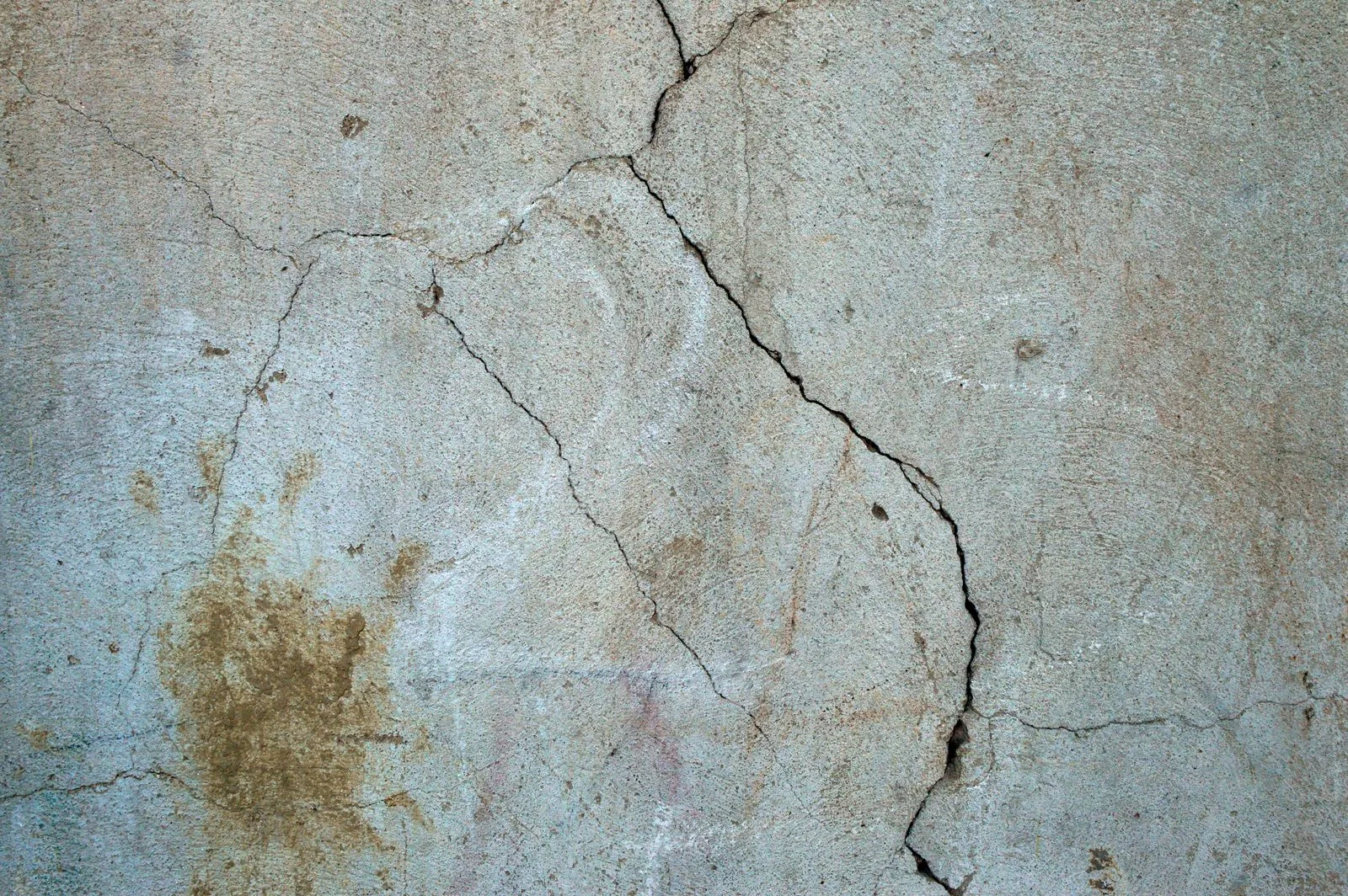
Stair-step cracks tracking block joints, cracks wider than a coin, cracks that return after patching, and any crack with offset — one side proud of the other. Horizontal cracks in stem walls outrank everything; call on those.
Hairline stucco crazing, especially around openings after a hot season, is usually the finish talking, not the foundation. Watch it; don't lose sleep over it.
The whole-house tells
Doors and windows that started sticking in dry weather, floors that slope toward one corner, tile cracks that run room to room in a line, and gaps opening where walls meet ceilings. Individually minor; clustered and progressing, they map differential settlement.
Miami's particular authors
Sandy fill compacts unevenly under slabs; summer deluges and high groundwater move fines; big trees drink and shrink the soil seasonally; and waterfront properties add seawall behavior to the file. Post-storm is prime time for new movement — and for inspections.
What a real evaluation looks like
Elevation mapping across the slab, crack documentation with widths and dates, moisture and drainage review, and a verdict tied to measurements rather than fear. Monitoring is a legitimate recommendation for slow cases; 'sign tonight' pricing is not.
When to call versus when to watch
Call now for horizontal cracks, offsets, doors failing in clusters, or anything that visibly progressed in a season. Watch — with dated photos and a pencil line at crack tips — for stable hairlines and single sticky doors.
The photo habit is the whole trick: movement you can prove beats worry you can only describe, and it turns the eventual professional visit into a short, cheap conversation.