Skip to content
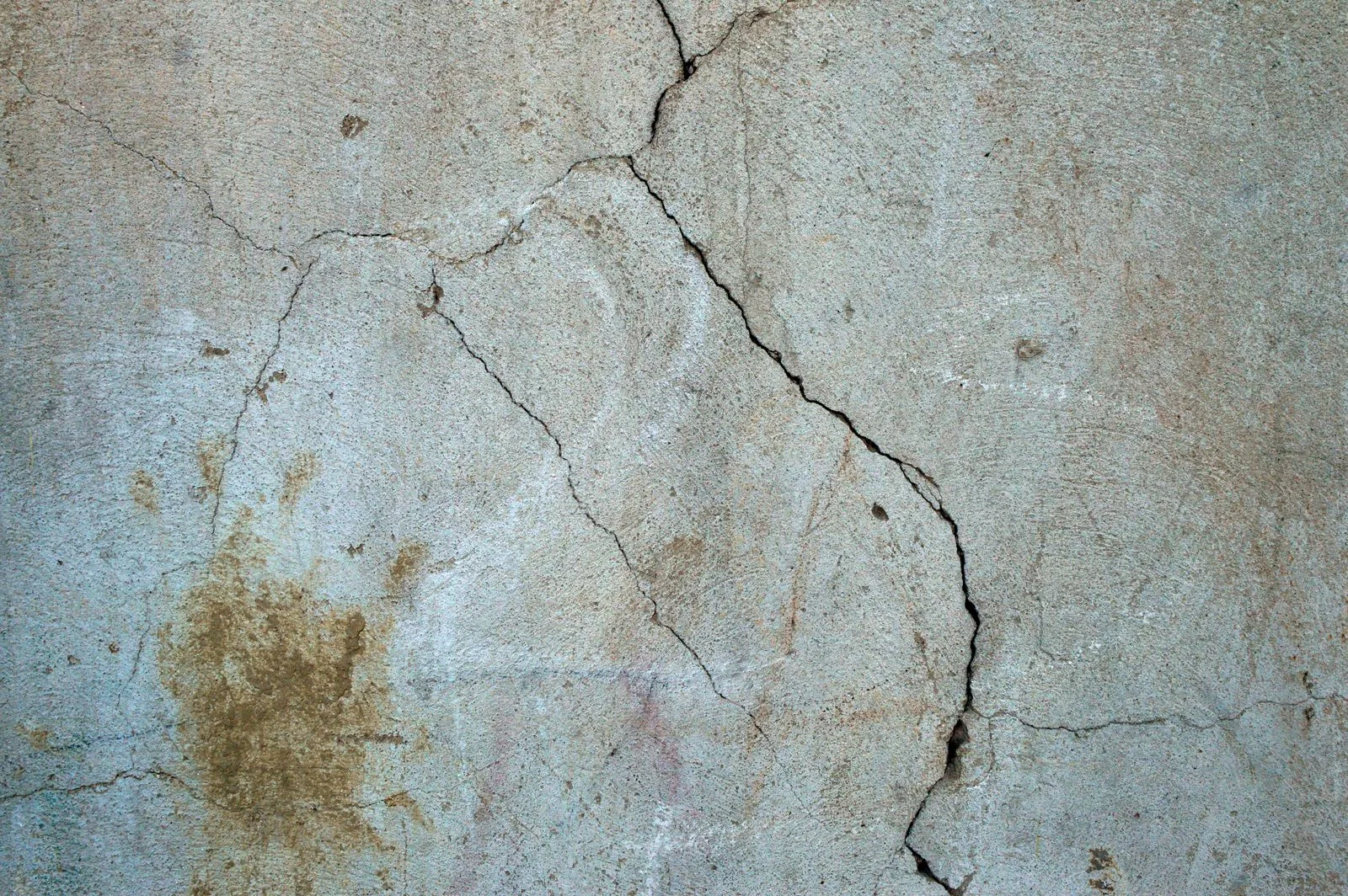
Stair-step cracks in a concrete block wall

Foundation Cracks

Repairing Stair-Step Cracks in Miami Foundations

Stair-step cracks often appear in block, stucco, or brick walls, indicating potential structural stress. These patterns can grow over time if not properly addressed.

In Miami's unique soil and weather conditions, foundation movement is common. Recognizing stair-step cracks is crucial for maintaining your home's integrity.

What causes stair-step cracks?

Stair-step cracks typically form in masonry walls due to differential settlement, where parts of the foundation settle more than others. This can be caused by soil expansion and contraction, high groundwater levels common in Miami, or inadequate soil support. In older homes, changes to the surrounding landscape or plumbing leaks can also contribute.

Identifying Stair-Step Cracks

These cracks follow the mortar lines between blocks or bricks, creating a distinct zigzag or 'stair-step' pattern. They are most commonly seen on exterior walls but can also appear inside. Pay attention to the width and length of the cracks, as well as any signs of horizontal or vertical displacement.

Miami's Local Factors and Cracks

Miami's high groundwater and sandy limestone soil can exacerbate foundation settlement. Stormwater runoff and drainage issues can saturate the soil, leading to expansion and contraction cycles that stress your foundation. Coastal exposure can also play a role in long-term structural integrity.

When to Seek Professional Help

Small, hairline cracks might not be an immediate concern, but stair-step patterns often suggest underlying issues. If cracks are widening, accompanied by sticking doors or windows, or visible water intrusion, it's time to consult a foundation specialist. Professional assessment is key.

Repairing Stair-Step Cracks

Repair methods depend on the cause and severity. Options can include epoxy or polyurethane injections for sealing, or stabilization techniques like underpinning if significant settlement is detected. Before starting, ensure proper drainage around your home is addressed to prevent future issues.

Before Foundation Repair Work

  • Verify all nearby trees and vegetation are healthy and not causing root intrusion.
  • Check that downspouts direct water at least 5-10 feet away from the foundation.
  • Confirm yard grading slopes away from the house.
  • Inspect for any signs of plumbing leaks.
  • Note the pattern and width of all visible cracks.
  • Consider the history of any past foundation work.

More About Foundation Issues

Learn about other foundation concerns homeowners in Miami face, from settlement to drainage problems. Understanding these issues helps protect your property.

Common Questions About Stair-Step Cracks

Are stair-step cracks dangerous?

Stair-step cracks can indicate serious foundation movement. While not always an immediate emergency, they often require professional evaluation to prevent further damage and ensure structural stability.

Can I repair stair-step cracks myself?

Minor cosmetic repairs can sometimes be DIY, but stair-step cracks often point to underlying settlement issues. Professional assessment and repair are usually needed for a lasting solution.

How does Miami's soil affect these cracks?

Miami's sandy, limestone-rich soil and high water table can contribute to foundation settlement. Soil expansion and contraction due to moisture changes are common causes of stress leading to these cracks.

What is the first step to fixing them?

The first step is a thorough inspection by a foundation specialist. They will assess the crack's pattern, depth, and cause, then recommend the most appropriate repair strategy for your Miami home.

Call Now (786) 462-0318